
Blog
Hurricane-Resistant Windows and Doors: 2025 Guide

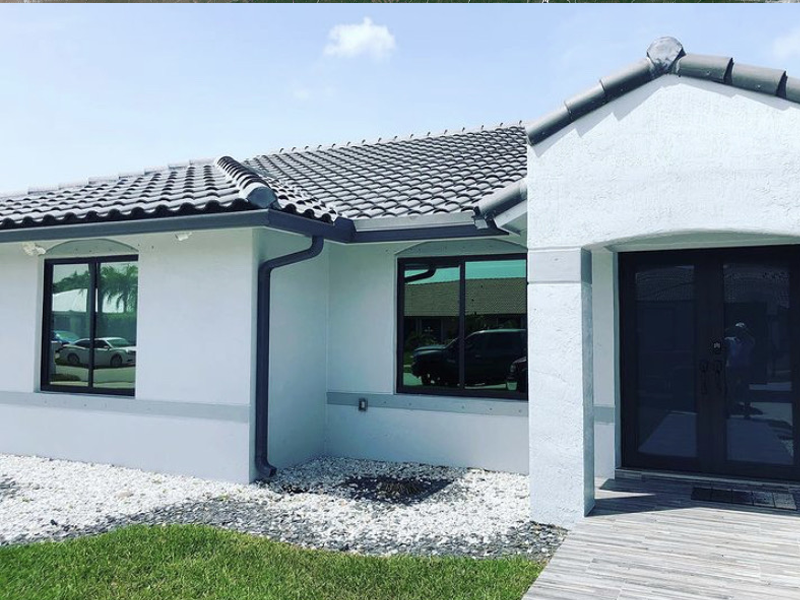
1. Florida Building Code (FBC) Requirements
- The FBC requires impact-rated windows and doors in hurricane-prone regions such as Miami-Dade and Broward.
- Look for products with Miami-Dade NOA (Notice of Acceptance) or Florida Product Approval. These certifications ensure that the product has been tested against wind pressure and flying debris.
2. Benefits of Impact-Resistant Products
- Safety: Protects your property and family from debris during storms.
- Energy Efficiency: Many models include double glazing and low-e coatings, reducing energy bills.
- Noise Reduction: Helps insulate against exterior noise, ideal for urban areas.
- Insurance Discounts: Some insurance companies offer premium reductions for properties with certified impact windows and doors.
- Increased Property Value: Buyers in Florida see these features as essential.
3. Types of Hurricane-Resistant Products
- Windows: Single-hung, casement, sliding, picture, and architectural designs.
- Doors: Sliding glass doors, French doors, entry doors with impact glass.
- Materials: Aluminum frames (durable, modern look) and vinyl frames (more affordable, energy-efficient).
4. Key Considerations Before Buying
- Certification: Verify NOA or Florida Product Approval.
- Installation: Proper installation by a licensed contractor is just as important as the product itself.
- Budget: Prices vary from $45–$70 per square foot installed, depending on brand and design.
- Maintenance: Minimal, but periodic checks of seals and caulking are recommended.
Conclusion
Investing in impact-resistant windows and doors is not just about code compliance—it’s about protecting your property, lowering long-term costs, and adding value to your home.
Professional Support with Villarima LLC
At Villarima LLC, we guide our clients in selecting, supplying, and installing hurricane-resistant products that meet Florida Building Code standards while enhancing design and functionality.